

A Bluetooth speaker costs ₦6,000 from your supplier. You list it in your store for ₦10,000. A customer orders and pays you; you forward ₦6,000 to the supplier, who ships the speaker directly to the buyer, and you keep the ₦4,000 difference without ever touching the product yourself. That’s the entire dropshipping model, and it’s genuinely different from mini importation, which requires you to buy stock upfront and hold it.
Here is exactly how to set this up in a Nigerian context, from picking a niche to actually getting paid.
What Dropshipping Actually Is (and Isn’t)
With dropshipping, you never purchase inventory in advance. You list products you don’t physically own, and only when a customer places an order and pays you, do you turn around and buy that specific item from your supplier at wholesale price, giving them the buyer’s shipping details. The supplier packages and ships directly to your customer.
This is the opposite of mini importation, where you buy a batch of stock upfront, hold it, and sell from what you already have on hand. Dropshipping carries less upfront risk since you’re never stuck with unsold inventory, but it also means longer delivery times for your customer and less control over product quality, since you never inspect the item yourself.
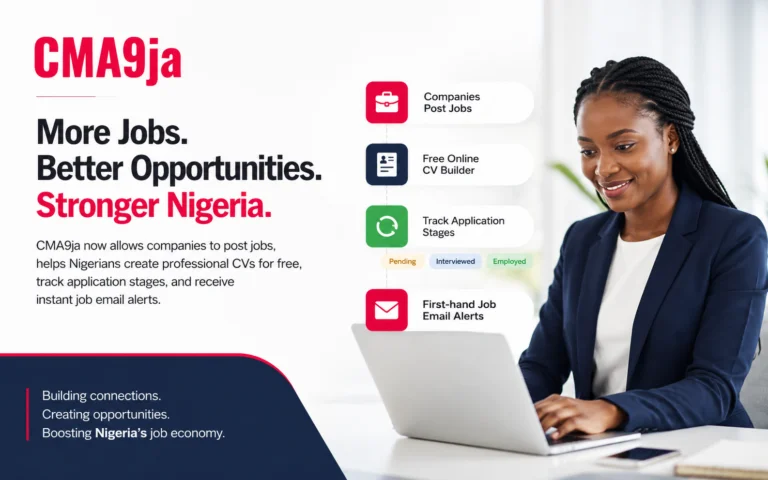 General
CMA9ja Expands Job Search Opportunities for Nigerians with Employer Job Posting and Free CV Builder
General
CMA9ja Expands Job Search Opportunities for Nigerians with Employer Job Posting and Free CV Builder
Step-by-Step: Setting Up Your Dropshipping Business
Step 1: Pick a niche with real, provable demand. Research what Nigerians are already buying, not just what looks exciting to you. Strong current niches include women’s fashion and accessories, phone accessories, and home gadgets, categories with consistent demand and manageable shipping requirements.
Step 2: Find and vet your supplier. AliExpress and 1688 remain the most common international sourcing options, with AliExpress being more beginner-friendly in English and 1688 offering lower prices but requiring more Chinese-language navigation. Local Nigerian wholesalers are also worth considering for products where shipping speed matters more than the lowest possible cost, since local suppliers cut delivery time dramatically. Before committing to any supplier, check reviews from other sellers, their delivery track record, and their returns policy.
Step 3: Set up your store. You do not need a full website to start. WhatsApp Business and Instagram work as legitimate storefronts for beginners testing a niche, while Shopify and WooCommerce suit sellers ready to invest in a more permanent, professional setup. Whichever you choose, make sure it loads fast on mobile, since most Nigerian shoppers browse and buy on their phones, often on mobile data.
Step 4: Set up your payment methods on both sides. For collecting customer payments locally, Paystack and Flutterwave are the standard, trusted, naira-accepting options that integrate smoothly with most store platforms. For paying international suppliers, PayPal remains restrictive for Nigerian users, so most dropshippers use Payoneer or a virtual dollar card from services like Chipper Cash or Changera to pay suppliers without friction.
 General
The Human Cost of Meta’s AI Bet: What 8,000 Vanished Jobs Tell Us About Where Tech Is Heading
General
The Human Cost of Meta’s AI Bet: What 8,000 Vanished Jobs Tell Us About Where Tech Is Heading
Step 5: Market where your customers already are. Instagram and TikTok short-form video content showing your products in real use consistently drives the strongest traffic for Nigerian dropshippers, alongside WhatsApp broadcast lists and status updates for your existing contacts.
Real Challenges and How to Handle Them
International shipping commonly takes 2 to 6 weeks, and this is the single biggest source of customer frustration in Nigerian dropshipping. Set clear delivery expectations upfront in your product descriptions and order confirmations, and consider prioritizing local suppliers for time-sensitive or high-demand items.
Unreliable suppliers are the second major risk, since your entire customer experience depends on someone else’s inventory accuracy and shipping consistency. Order samples yourself before listing any new product, and only work with suppliers who have a verifiable track record and clear buyer protection or refund policies. If you’d rather hold your own stock to guarantee delivery speed and quality control, our guide on how to start a mini importation business in Nigeria covers that alternative model in detail.
Currency and payment friction between you, your supplier, and your customer used to be a major obstacle, but Nigerian-built and international fintech tools have largely solved this, provided you set up both your local and international payment methods before your first order comes in.
 General
Delivery Driver Job in Shrewsbury, Shropshire | £25,392.28 per Year
General
Delivery Driver Job in Shrewsbury, Shropshire | £25,392.28 per Year
Here Is What to Do Right Now
- Pick one niche with provable demand, not just personal excitement, and research three to five potential products within it.
- Vet two or three suppliers, checking reviews, delivery track record, and return policy before committing to any one of them.
- Start with WhatsApp or Instagram as your store if you’re testing the model, and upgrade to Shopify or WooCommerce once you’ve proven demand.
- Set up Paystack or Flutterwave for local payments, and Payoneer or a virtual dollar card for paying suppliers, before your first sale.
- Order a sample of your first product yourself to confirm quality before you list it for customers.
Dropshipping in Nigeria works, but it rewards sellers who set clear customer expectations, vet suppliers carefully, and treat marketing as seriously as the products themselves. Start with one niche, prove it with real sales, then expand.

Discussion 0