
What is a story ? This should be the first question.
It can be described as a piece of work,either oral or written that contains a subject matter, passing a vision to your reader or listener.
A story ought to be felt and seen through lines, that’s what count it a good one.
It can either be written as a paperwork or passed by speaking.
 General
The Human Cost of Meta’s AI Bet: What 8,000 Vanished Jobs Tell Us About Where Tech Is Heading
General
The Human Cost of Meta’s AI Bet: What 8,000 Vanished Jobs Tell Us About Where Tech Is Heading
Every story has a source. Not just that, there’s a particular theme seen through out every story, being the subject matter.
Now, there are things to figure out before writing and publishing a story.
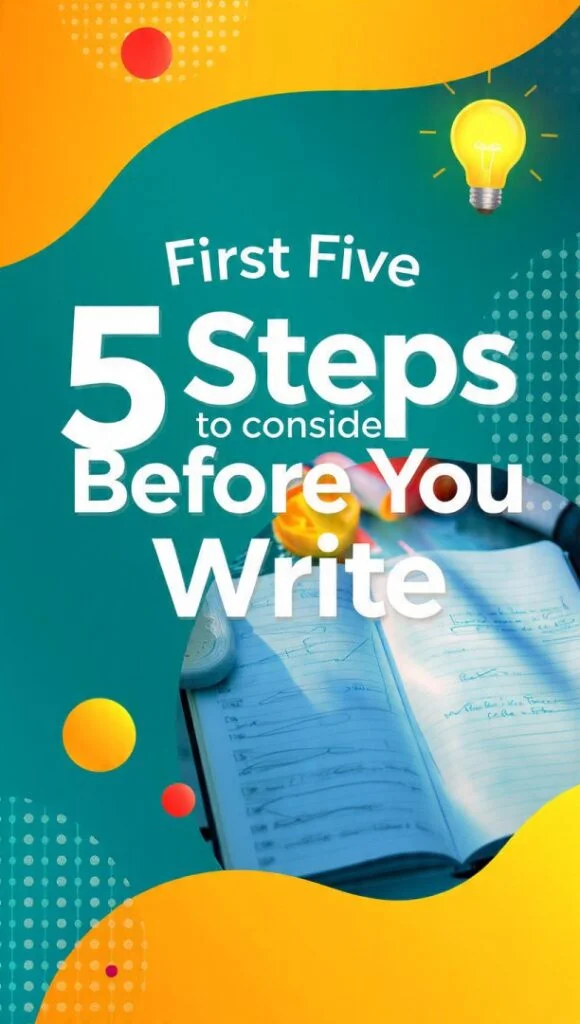
The first five steps to consider are as follows:
- Idea
- Research
- Brain storming
- Create a draft
- Edit and re-write
Firstly, the ability to think of a story is the idea. Every story begins with an idea.
 General
CMA9ja Expands Job Search Opportunities for Nigerians with Employer Job Posting and Free CV Builder
General
CMA9ja Expands Job Search Opportunities for Nigerians with Employer Job Posting and Free CV Builder
This is the first step because everything begins with the mindset and thoughts of a person.
A writer must think first before writing. No idea, no story. The ability to draw points and create a story out of it is the idea.
Ideas can flow from personal experience or experience from others, societal events, motives, imaginations and even from other piece of story works.
You must get a good idea of the topic you are aiming to write as a story.
 General
Delivery Driver Job in Shrewsbury, Shropshire | £25,392.28 per Year
General
Delivery Driver Job in Shrewsbury, Shropshire | £25,392.28 per Year
At this stage, you may not know everything about the topic the idea brought, that’s how we move to the next step, research.
Secondly, research is another key point. One thing is to have an idea and the other is to make research and findings about the idea.
This helps to broaden your knowledge on the topic you are about to write. It creates a strong knowledge. You can’t write on what you have no knowledge about even if you have an idea.
For instance, the idea of writing a story on “Bigamy”.
 General
EFCC Operations Threaten Nigeria Tech Industry and Youth Employment
General
EFCC Operations Threaten Nigeria Tech Industry and Youth Employment
You may know the definition of bigamy, as an unlawful act where a man or woman lawfully married gets married to another, such act amounts to bigamy.
Now, this is the idea you’ve got, just the definition alone.
You can’t just write a story revolving around this act with your idea of it’s definition.
There is more to know about, which you get to know by your personal research.
There you get to figure out the elements of bigamy, it’s statutory reference, it’s exceptions and it’s punishment.
Research also extends your personal knowledge capacity, not just your reader. You get to enjoy knowledge on aspects you can’t define yourself in.
That is, a story on bigamy is not limited to law students or lawyers to write about because it is a law related topic.
It is open for as many that has the knowledge of it.
So as anybody who has done research on “Bigamy”, you can write on it.
Thirdly, you’ve got an idea, done deep research on it, you still need to brain storm on it.
Create the story already in your thoughts,figure out the plotline, characters needed, settings and themes that would run through the story.
Brain storm on the events suitable to introduce into the story to boost it’s storyline. Keep thinking about it, create the entire story in your thoughts.
Fourthly, create a draft, get everything on your mind written down. You may not be able to draft the entire story but write the key points down in order to refer to them later. It can also be referred to a rough work, as it is not the final piece. Feel free to write every detail on your mind down at this point.
Your draft is a lead to the the main story, there you can make corrections on grammar and composition of events.
Keeping things in order, knowing the event to come first before the other.
This is where you plan the go about of the story in a written format, while brain storming is drafting the story in your mind.
Here, you figure out which character comes first in the story, and the others coming after. Figuring out the protagonist and antagonist, the major role characters and the minors.
The geographical location revolving around the story, which would also determine the choice of words to apply, and language style.
The themes that would run in each chapter if serialized or each paragraph.
Fifthly, edit and re-write. This can be stressful, editing your draft to make a story out of it.
Re-writing facts already written in your draft. But that’s the better way.
When you re-write, it is possible to still notice some mistakes which wasn’t corrected in your draft. Then you can correct them when re-writing.
During this step too, new ideas could come in. Also, you can draft out unnecessary events that was written in the draft where it becomes not useful anymore.
Conclusively, don’t rush to write your chapters. Writing a story feels exciting, and people want to rush into writing once the idea drops.
For instance, you should first know what the house would look like, who will live in it, and the quality of the foundation before laying bricks.
Your story should work same way. Adopting these laid down step before you write saves you days of staring at a blank sheet later and thinking of what happens next.
So before you put your pen down to write, run through these “first five steps” one more time. Your future self, and your readers, will thank you for it.
What kind of story are you planning to write after this? with these first five steps to consider before writing a story, you stand a chance of creating an unforgettable story. One that would keep readers glued to it’s storyline.
This is a blueprint or prompt to follow in order to know what actually a good story is made up with.
Lack of these steps could make your story look unstable, unplanned, unarranged and even confusing to the reader.
Once your story doesn’t keep readers to it’s storyline, you could be lacking one of these first five steps.
These steps would help to build the frame work of every story.
Discussion 1
It’s so educational to publish articles of this kind, as it aims to meet all story writers over the world and enlighten them about the first things to begin with before writing a story.